Key Takeaways
- 3D printed house costs range from $4,000 for basic structures to $150,000–$500,000+ for fully finished homes with plumbing and electrical.
- Printing just the walls and floor can cost $10,000–$35,000, but add-ons like roofing and utilities bump up the price.
- Savings come from less labor and waste, resulting in up to 30% cheaper and 20 times faster than traditional methods.
- Location, size, and materials (like concrete or hempcrete) heavily influence the final price tag.
- Start by researching companies like ICON or SQ4D to find affordable options in your area.
What Is a 3D Printed House and Why Care About Costs?
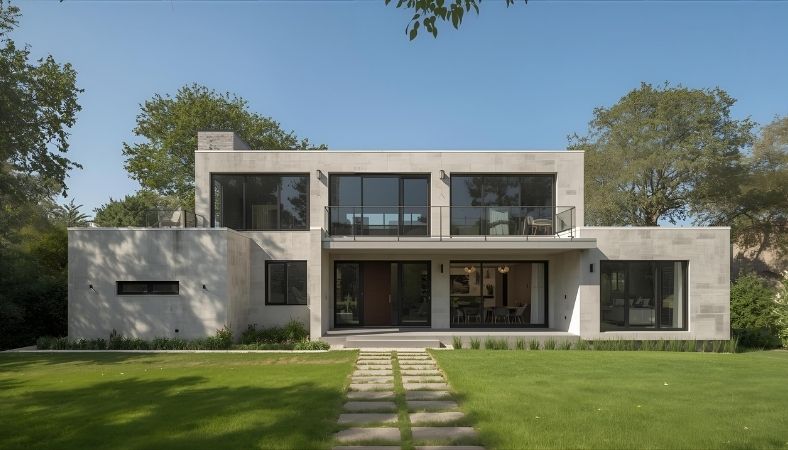
A 3D printed house is built using massive printers that stack materials, usually concrete, layer by layer, following a digital blueprint. Think of it like a giant hot glue gun squeezing out walls instead of glue. It’s fast, cuts labor, and uses less material, which is why it’s catching on in places like Austin, Texas, and even remote spots like Nacajuca, Mexico, where affordable housing is a big need. With home prices soaring (Austin’s median is over $800,000), understanding costs can help you decide if this tech is a smart move for your next home.
How 3D Printing Works in Construction
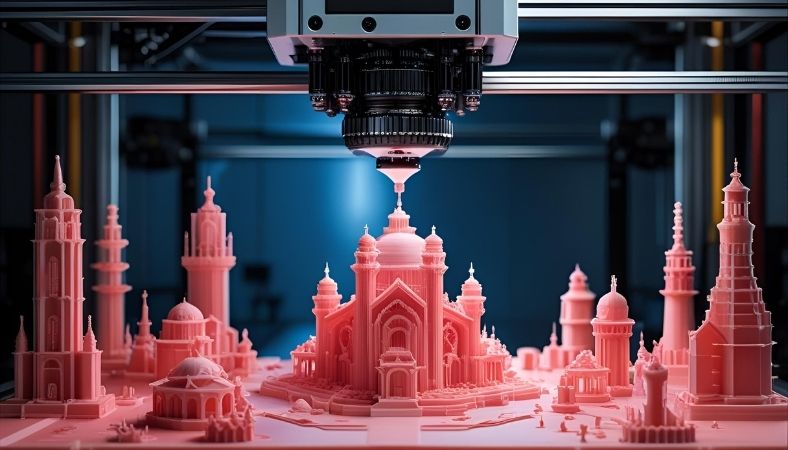
Picture a robot arm tracing a house’s outline, pouring concrete like toothpaste to form walls. This “additive manufacturing” follows a pre-set design, finishing walls in as little as 24–72 hours. Humans still handle plumbing, wiring, and roofs, but the printer does the heavy lifting. It’s eco-friendly too, with up to 70% less waste than traditional builds.
Cost Breakdown of 3D Printed Houses
Costs vary wildly based on size, materials, and where you’re building. In 2025, printing just the walls and floor of a 3D printed house runs $10,000–$35,000, while a fully finished home with all the trimmings can hit $150,000–$500,000 or more. For context, traditional U.S. homes average $150,000–$450,000 to build. Let’s dig into what drives these numbers.
Printing the Structure: Walls and Floor
The core printing process is the cheapest part. For a small 600-800-square-foot home, companies like ICON quote as low as $4,000–$10,000 for walls. A 2,000-square-foot house might cost $20,000 to print the structure alone. Compare that to traditional framing, which can run $50,000 for similar sizes. The savings come from automation, fewer workers, and less time.
Add-On Costs: Finishing the Home
Here’s where the budget creeps up. You’ll need:
- Roofing: $10,000–$50,000, depending on materials like metal or shingles.
- Plumbing and Electrical: $20,000–$100,000 for pipes, wiring, and fixtures.
- Windows and Doors: $5,000–$30,000 based on quality and size.
- Interior Finishes: $30,000–$150,000 for flooring, paint, and kitchens.
- HVAC and Insulation: $10,000–$50,000 for climate control.
A fully finished 1,500-square-foot home in Austin by ICON costs $325,000–$560,000, still below the city’s $800,000 average.
Factors That Influence Costs
Several things tweak the price:
- Size and Design: Bigger homes or curvy walls (like Al Hilal’s “beehive” look) cost more.
- Materials: Concrete’s standard, but hempcrete or recycled plastics can raise or lower costs.
- Location: Labor and land prices vary Detroit’s $224,500 3D home is pricier than the city’s $82,000 average due to land costs.
- Permits: New tech means extra checks, adding $5,000–$20,000 in some areas.
Real-World Examples of 3D Printed Houses
Let’s look at some actual builds to get a sense of costs and what you get.
ICON’s Wolf Ranch in Austin, Texas
In Austin, ICON’s Wolf Ranch has 100 3D printed homes, priced $475,990–$559,990 for 1,500–2,100 square feet with solar panels and smart tech. These took three weeks each to build, saving 30% over traditional methods. They’re 98% sold out, showing big demand.
Pro: Energy bills are 45–60% lower due to concrete insulation.
Con: Land costs push the total price up.
SQ4D’s 1,900-Square-Foot Home in New York
SQ4D printed a 1,900-square-foot house in 48 hours for just $6,000 in materials. Total cost with finishes hit $299,999, listed on Zillow in 2021. It’s a bargain compared to local averages, but plumbing and wiring added tens of thousands. This shows how raw printing costs stay low, but extras add up.
Serendix’s Fujitsubo Tiny Home in Japan
Japan’s Serendix built a 538-square-foot “barnacle” home for $37,600, printed in 44.5 hours. It’s tiny, perfect for emergency housing, but lacks full amenities. Great for a minimalist, not a big family.
Comparing 3D Printed Houses to Traditional Builds
How do 3D printed homes stack up? Traditional construction costs $95–$150 per square foot in the U.S., while 3D printing can drop to $50–$100 for the structure. Speed’s a big win weeks vs. months. But traditional homes are easier to modify later, while concrete’s tough to reconfigure.
- Pros of 3D Printing: Up to 30% cheaper, 20x faster, fire-resistant concrete, and less waste.
- Cons: Limited design flexibility, high printer setup costs ($500,000+), and regulatory hurdles.
- Traditional Edge: Familiar to builders, easier to renovate, wider material options.
For a family on a budget, 3D printing saves upfront, but may limit future tweaks. If you’re in a high-cost area like California, savings are a big draw.
Tips to Save on a 3D Printed House
Want to keep costs down? Here’s how:
- Go Small: A 600-square-foot home like ICON’s can cost under $50,000 total.
- Choose Simple Designs: Avoid complex curves to save on printing time.
- Research Local Builders: Firms like CyBe or Alquist 3D offer deals in places like Texas or Virginia.
- Check Grants: Look into programs like Habitat for Humanity, which built homes for $180,000 in Virginia.
- Compare Quotes: Get detailed contracts from companies like SQ4D or ICON, outlining materials and timelines.
Expert tip from Harold Hunt at Texas Real Estate Research Center: Always ask about long-term maintenance costs. Concrete is durable, but repairs can be tricky.
Challenges and Things to Watch Out For
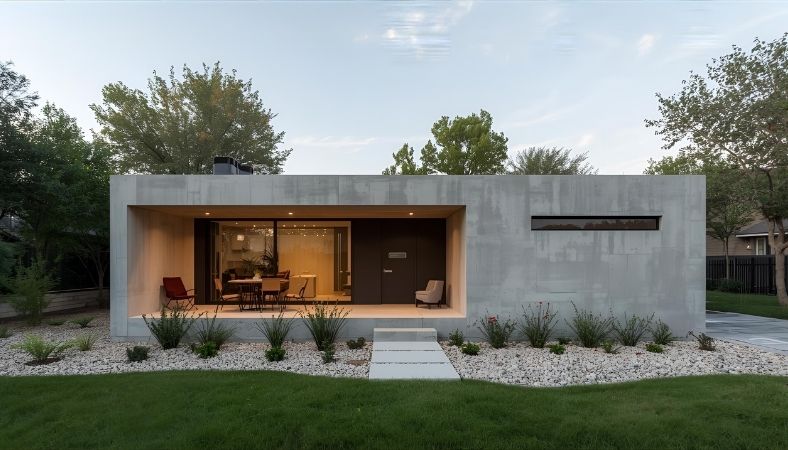
Costs are just part of the story. Regulations can slow things down, and building codes aren’t fully adapted, so permits take time. In Detroit, a 988-square-foot 3D home hit $224,500, way above the city’s $82,000 average, partly due to land and red tape. Also, buyers worry about resale value since the tech’s new will neighbors accept a concrete “beehive” house?
Another pain point: Printers cost a fortune to set up, which small builders struggle with. Check if your contractor partners with firms like MudBots to cut costs.
Sustainability and Long-Term Value
Good news: 3D homes are green, using less material and energy. Concrete lasts 50+ years, resisting fire and wind. Companies like Azure use recycled plastics, cutting environmental impact. But long-term maintenance isn’t fully tested, so budget for surprises.
3D Printed Houses in Australia: Where Things Stand
Australia is no longer just watching from the sidelines. In Dubbo, New South Wales, the government picked local company Contour3D to 3D print affordable housing — two two-bedroom duplexes built with the company’s custom concrete mix, with construction costs reported around $522,000 and the project finishing in early 2025. The printing itself took 11 days, and the full build was completed in roughly 16 weeks, compared with about 40 weeks for traditional methods.
Western Australia went further: the country’s first 3D-printed multi-storey home was built in Tapping, WA, where the structural walls for both storeys were printed in just 18 hours of active printing time. The builder reported the walls came in 22% cheaper than a comparable standard masonry build, with 30% lower CO2 emissions. And Australia’s first 3D-printed home overall — a one-bedroom in regional NSW completed in May 2023 — took just two days to construct.
The catch for Australians is the same as everywhere else: building approvals. Each state and local council applies the National Construction Code differently to novel methods, so early projects carry extra engineering and certification costs. As more projects complete, those costs should fall — but for now, budget for professional guidance on compliance alongside the printing quote.
What’s Next for 3D Printed Houses?
By 2027, building codes might loosen, making 3D printing cheaper. Companies like COBOD are pushing for 20% cost cuts in projects like Kenya’s 52-home build. Imagine whole neighborhoods printed in weeks. It’s already happening in Austin.
For now, contact builders like ICON, SQ4D, or CyBe to explore options. Check their model homes or ask for client references to see what’s possible. If you’re dreaming of an affordable, modern home, 3D printing might just be your ticket. Start researching today to beat the housing crunch!
Frequently Asked Questions
How much does a 3D printed house cost?
Printing just the walls and floor of a small home can cost as little as $4,000–$35,000, while a fully finished 3D printed house typically runs $150,000–$500,000+ once roofing, plumbing, electrical and interiors are included.
Are there 3D printed houses in Australia?
Yes. Contour3D printed two duplexes in Dubbo, NSW for the state government; Australia’s first 3D-printed home (a one-bedroom in NSW) was completed in May 2023; and a multi-storey 3D-printed home was built in Tapping, WA with walls printed in 18 hours.
How long does it take to 3D print a house?
The printing itself takes 24–72 hours for the walls of a typical home. Full builds including roofing, services and finishes still take weeks to months.
Are 3D printed houses cheaper than traditional builds?
Generally yes — up to around 30% cheaper with far less labour and waste. Australian projects have reported 10–22% savings over comparable traditional builds.
Do 3D printed houses last?
Printed concrete structures are expected to last 50+ years, resist fire and wind, and need little structural maintenance — though long-term data is still being gathered.